
Acne Scars
Table of Contents
- Introduction
- Understanding Acne Scars
- What Causes Acne Scars?
- Types of Acne Scars
- Who Is More Prone to Acne Scarring?
- Can Acne Scars Be Prevented?
- Which Treatment Is Right for You?
Introduction
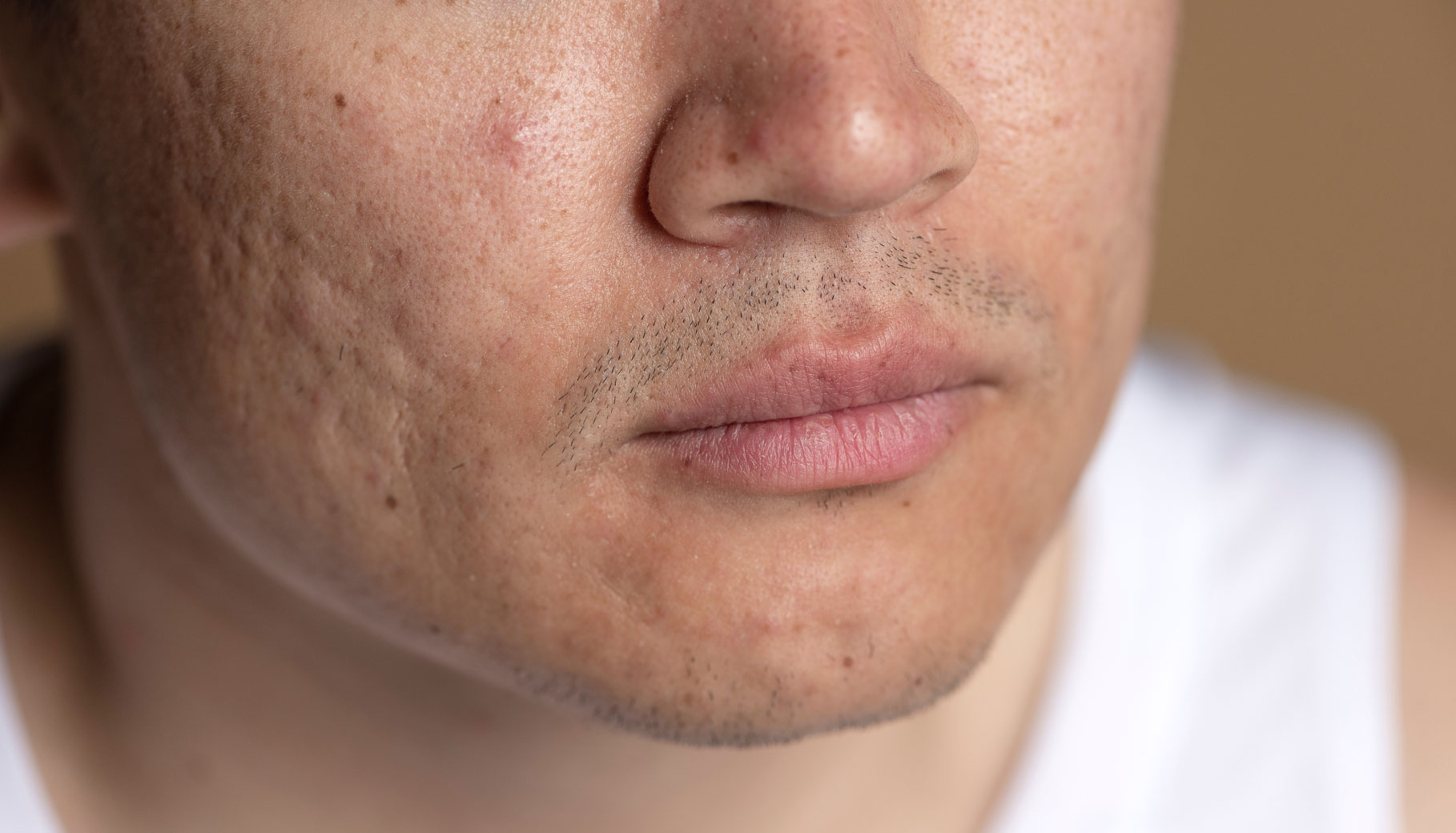
Acne scars are permanent structural changes in the skin that develop after moderate to severe acne lesions heal. When acne causes significant inflammation, it can damage the collagen and elastin fibres that provide the skin with strength and support. During the healing process, the body may produce either too little collagen, resulting in depressed (atrophic) scars, or excessive collagen, leading to raised (hypertrophic or keloid) scars.
Unlike post-acne marks or pigmentation, acne scars involve changes to the skin’s underlying structure and therefore typically require specialised medical treatments to achieve meaningful improvement. While acne scars cannot usually be completely erased, modern aesthetic treatments can significantly reduce their appearance, improve skin texture, and restore a smoother, more even complexion.
Understanding Acne Scars
Acne scars are among the most common long-term consequences of acne vulgaris. Although active acne may eventually resolve, the inflammation associated with moderate to severe breakouts can permanently alter the skin’s architecture. This occurs when inflammation extends into the deeper layers of the skin, disrupting normal collagen production during the healing process.
Healthy skin continuously remodels collagen to maintain a smooth and even surface. However, following severe inflammation, this healing process may become unbalanced. Insufficient collagen production leads to depressions in the skin, while excessive collagen formation results in raised scars. The type of scar that develops depends on the severity of inflammation, individual genetics, skin type, and how the skin heals.
Acne scars are broadly classified into atrophic (depressed) and hypertrophic (raised) scars. Atrophic scars are the most common and include ice pick, boxcar, and rolling scars, each requiring a different treatment approach. Raised scars, including hypertrophic scars and keloids, develop when excessive collagen is produced during healing.
Because every scar is unique, there is no single treatment that is effective for all patients. Successful scar management often requires a combination of advanced technologies to stimulate collagen remodelling, improve skin texture, and gradually restore a smoother skin surface.
At Forté Clinic, every patient begins with a comprehensive medical consultation and advanced skin analysis. By carefully assessing the type, severity, depth, and distribution of your acne scars, our doctors develop a personalised treatment programme tailored to your individual skin concerns and goals. Using evidence-based treatments and medical-grade technologies, we aim to improve skin texture, soften the appearance of scars, and restore healthier, more confident-looking skin.
What Causes Acne Scars?
Acne scars develop when inflamed acne lesions damage the deeper layers of the skin, disrupting the skin’s normal healing process. As the body repairs the damaged tissue, collagen is produced to restore the skin’s structure. However, when this healing response becomes unbalanced, the skin may produce either too little collagen, resulting in depressed (atrophic) scars, or excessive collagen, leading to raised (hypertrophic or keloid) scars.
Not everyone with acne will develop scarring. The likelihood of acne scars depends on several factors, including the severity and duration of inflammation, individual genetics, skin type, and how the acne is managed.
Several factors can increase the risk of acne scarring, including:
Moderate to severe inflammatory acne, particularly cysts and nodules, extends deep into the skin and causes significant damage to collagen and surrounding tissue. The more severe the inflammation, the greater the risk of permanent scar formation.
Leaving acne untreated allows inflammation to persist for longer, increasing damage to the skin’s deeper layers. Early medical treatment helps reduce inflammation, minimise tissue destruction, and lower the risk of permanent scarring.
Picking, scratching, or popping acne lesions can push bacteria and inflammation deeper into the skin, delay healing, and increase tissue damage. This significantly raises the risk of both acne scars and post-inflammatory hyperpigmentation (PIH).
Some individuals are genetically predisposed to developing acne scars. Inherited differences in collagen production and wound healing may increase the likelihood of developing either depressed or raised scars, even when acne severity is similar.
Repeated or persistent acne causes ongoing inflammation and repeated injury to the skin. As the skin attempts to heal from multiple episodes of damage, the risk of permanent scarring progressively increases.
Every individual’s skin heals differently. Some people naturally produce insufficient collagen during wound healing, resulting in depressed scars such as ice pick, boxcar, or rolling scars. Others produce excessive collagen, leading to raised hypertrophic scars or keloids.
Secondary skin infections or delayed wound healing may further disrupt the skin’s repair process, increasing tissue damage and making scar formation more likely.
Types of Acne Scars
Acne scars vary in appearance depending on how the skin heals following inflammation. Correctly identifying the type of scar is essential, as each responds differently to treatment and often requires a personalised combination of therapies for optimal improvement.
Ice pick scars are narrow, deep, V-shaped depressions that extend into the deeper layers of the skin, resembling small puncture holes. They commonly develop after severe inflammatory or cystic acne and are most frequently found on the cheeks.
Due to their depth, ice pick scars are among the most challenging acne scars to treat and often require specialised procedures or combination treatments to achieve meaningful improvement.
Boxcar scars are broad, U-shaped depressions with well-defined vertical edges. They may be shallow or deep and commonly occur on the cheeks, temples, and jawline.
Shallower boxcar scars generally respond well to collagen-stimulating treatments, while deeper scars may require combination therapies to improve skin texture and contour.
Rolling scars create a wave-like or uneven appearance because fibrous bands beneath the skin pull the surface downward. These scars have gently sloping edges rather than sharply defined borders and often give the skin an undulating texture.
Treatment focuses on releasing these fibrous attachments while stimulating collagen remodelling to restore a smoother skin surface.
Unlike depressed acne scars, hypertrophic and keloid scars develop when the body produces excessive collagen during wound healing.
Hypertrophic scars remain confined to the original area of injury and may gradually flatten over time.
Keloid scars extend beyond the boundaries of the original acne lesion and may continue to enlarge. They are more commonly seen on the jawline, chest, shoulders, upper back, and neck, particularly in individuals who are genetically predisposed.
These raised scars require a different treatment approach from atrophic scars and may involve injectable therapies, laser treatments, or other specialised procedures.
Post-inflammatory hyperpigmentation (PIH) is not a true acne scar, but it is one of the most common concerns following acne.
After inflammation resolves, the skin may produce excess melanin, leaving behind flat red, brown, grey, or dark marks depending on the individual’s skin tone. Unlike acne scars, PIH does not involve permanent structural damage to the skin and often fades gradually over time. However, professional treatments can significantly accelerate improvement and restore a more even complexion.
Who Is More Prone to Acne Scarring?
Although anyone who experiences acne can develop scars, certain individuals are at a significantly higher risk. The likelihood of acne scarring depends on the severity and duration of inflammation, individual healing response, genetics, and how acne is managed.
You may be more prone to developing acne scars if you:
Have Moderate to Severe Inflammatory Acne
Inflammatory acne, particularly when left untreated, can damage the deeper layers of the skin. The more severe the inflammation, the greater the risk of permanent collagen damage and scar formation.
Have Cystic or Nodular Acne
Cysts and nodules are the most severe forms of acne and extend deep beneath the skin’s surface. These lesions cause extensive tissue damage, making them one of the strongest risk factors for permanent acne scars.
Frequently Pick, Squeeze, or Pop Pimples
Manipulating acne lesions can push bacteria and inflammation deeper into the skin, increasing tissue injury, delaying healing, and significantly raising the risk of both acne scars and post-inflammatory hyperpigmentation (PIH).
Delay Treatment for Active Acne
Persistent inflammation allows acne to continue damaging collagen and surrounding tissue. Early medical treatment helps control inflammation, reduce skin injury, and lower the likelihood of permanent scarring.
Have a Family History of Acne Scarring
Genetics play an important role in wound healing. Individuals with a family history of acne scarring may be more likely to develop depressed or raised scars, even if their acne is not particularly severe.
Experience Recurrent Acne Breakouts
Repeated acne flare-ups expose the skin to ongoing inflammation and repeated tissue injury. Over time, this increases the risk of permanent structural changes and scar formation.
Have Certain Skin Types
Individuals with medium to darker skin tones are generally more susceptible to post-inflammatory hyperpigmentation (PIH) following acne, while some people are genetically predisposed to developing hypertrophic scars or keloids due to an exaggerated healing response.
Can Acne Scars Be Prevented?
Although not every acne scar can be prevented, early intervention and appropriate acne management can greatly reduce the risk of permanent skin damage. Preventing scars begins with controlling active acne before significant inflammation occurs.
We recommend the following measures:
Treat Acne Early
Seeking treatment at the first signs of persistent or inflammatory acne helps minimise skin damage and reduces the risk of permanent scar formation.
Avoid Picking or Squeezing Pimples
Picking or popping acne lesions increases inflammation, delays healing, and significantly raises the likelihood of both acne scars and post-inflammatory hyperpigmentation.
Follow a Consistent Skincare Routine
Using appropriate cleansers, moisturisers, and medically recommended skincare products helps maintain a healthy skin barrier, reduce irritation, and support the skin’s natural healing process.
Apply Sunscreen Daily
Daily use of a broad-spectrum SPF 50+ sunscreen helps prevent post-inflammatory hyperpigmentation and protects healing skin from ultraviolet (UV) damage, which can make acne marks more noticeable.
Seek Professional Treatment for Persistent or Severe Acne
Moderate to severe acne often requires medical treatment to effectively control inflammation. Early intervention can significantly reduce the likelihood of long-term scarring while improving overall skin health.
Attend Regular Follow-Up Appointments
Regular review appointments allow your doctor to monitor treatment progress, adjust your management plan when necessary, and ensure acne remains well controlled before permanent scars develop.
Which Treatment Is Right for You?
There is no one-size-fits-all solution for acne scars. The most effective treatment depends on the type of scar, its depth and severity, your skin type, and your individual treatment goals. Because many patients have a combination of different scar types, the best outcomes are often achieved using a personalised treatment programme that combines multiple evidence-based modalities.
Medical-grade chemical peels gently exfoliate the skin while stimulating cellular turnover and skin renewal. They are particularly beneficial for improving post-inflammatory hyperpigmentation (PIH), superficial textural irregularities, and overall skin radiance.
Although chemical peels are not the primary treatment for deep acne scars, they are frequently incorporated into comprehensive treatment programmes to enhance skin quality and optimise the results of other procedures.
Benefits
- Improves overall skin texture and radiance
- Reduces post-inflammatory hyperpigmentation (PIH)
- Promotes healthy skin renewal
- Refines superficial skin irregularities
- Enhances the results of other acne scar treatments
Discovery Pico Laser is an advanced picosecond laser that delivers ultra-short pulses of laser energy to stimulate collagen remodelling while minimising thermal damage to surrounding tissue.
In addition to improving acne-related pigmentation, the photoacoustic energy generated by Discovery Pico helps remodel collagen beneath the skin, leading to gradual improvement in certain atrophic acne scars, skin texture, and enlarged pores.
Benefits
- Stimulates natural collagen production
- Softens the appearance of acne scars
- Improves skin texture and smoothness
- Refines enlarged pores
- Reduces acne-related pigmentation
- Minimal downtime compared with many traditional laser treatments
Sylfirm X combines advanced radiofrequency (RF) technology with precision microneedling to stimulate collagen and elastin production deep within the skin. By delivering controlled RF energy into the dermis, Sylfirm X promotes skin remodelling while improving the appearance of mild to moderate atrophic acne scars.
The treatment also enhances skin firmness, refines pores, and improves overall skin quality, making it an excellent option for patients seeking comprehensive skin rejuvenation.
Benefits
- Improves the appearance of acne scars
- Stimulates collagen and elastin production
- Refines enlarged pores
- Enhances skin firmness and elasticity
- Improves overall skin texture
- Suitable for a wide range of skin types
Healthy, well-hydrated skin provides a better foundation for collagen remodelling and overall skin recovery. Skin Boosters deliver stabilised hyaluronic acid directly into the skin to improve hydration, elasticity, and skin quality.
While Skin Boosters do not directly remove acne scars, they complement collagen-stimulating treatments by improving the skin’s texture, resilience, and natural radiance.
Benefits
- Deeply hydrates the skin
- Improves skin elasticity and firmness
- Enhances skin texture and luminosity
- Strengthens the skin barrier
- Supports healthy collagen remodelling
- Complements laser and microneedling treatments
Frequently Asked Questions
True acne scars do not usually disappear on their own because they involve permanent structural changes to the skin. While the appearance of scars may soften slightly over time, professional treatments are often required to stimulate collagen remodelling, improve skin texture, and significantly reduce their visibility.
It is important to distinguish acne scars from post-inflammatory hyperpigmentation (PIH), which consists of red, brown, or dark marks left after acne heals. Unlike true scars, PIH often fades gradually with time and appropriate treatment.
The number of treatment sessions varies depending on the type, depth, and severity of your acne scars, as well as your skin type and individual healing response.
Most patients begin to notice visible improvement after 3 to 6 treatment sessions, although deeper or more extensive scarring may require additional treatments to achieve optimal results. During your consultation, your doctor will recommend a personalised treatment plan based on your specific scar pattern.
Most acne scar treatments are well tolerated. Depending on the procedure, you may experience a mild warming, prickling, or pressure sensation during treatment. To maximise comfort, a topical anaesthetic cream is typically applied before procedures such as microneedling, radiofrequency microneedling, or laser treatments.
Yes, although the treatment approach depends on the severity of your active acne. In most cases, controlling active inflammatory acne is the first priority to prevent new scars from forming.
Once acne is well managed, treatments can be introduced to improve existing scars. In some patients, certain procedures may safely address both active acne and acne scarring simultaneously. Your doctor will determine the most appropriate treatment sequence based on your skin condition.
The improvements achieved through acne scar treatment are generally long-lasting because they result from new collagen formation and skin remodelling. However, if new acne breakouts occur, they may cause additional scars. Maintaining good acne control and following your recommended skincare routine are essential for preserving long-term results.
No. Different types of acne scars respond differently to treatment. For example, rolling scars, boxcar scars, ice pick scars, and raised scars each require different treatment strategies.
Many patients have a combination of scar types, which is why the best outcomes are usually achieved through a personalised treatment programme that may combine multiple modalities, such as:
- Discovery Pico Laser
- Sylfirm X
- Fractional laser treatments
- Subcision
- Medical microneedling
- Skin Boosters
- Medical-grade skincare
Your doctor will recommend the most suitable combination based on your individual skin concerns and treatment goals.
Acne scar treatment is a gradual process because it relies on the body’s natural collagen remodelling. Some patients notice smoother skin and improved texture within a few weeks, but the most significant improvements typically become more apparent over several months as new collagen continues to develop.
Downtime depends on the treatment performed. Mild redness, swelling, or temporary sensitivity is common and usually resolves within a few days. Your doctor will provide personalised aftercare instructions to support healing and optimise treatment outcomes.
Yes. Modern acne scar treatments can be tailored to different skin types and skin tones. At Forté Clinic, every treatment plan is customised following a comprehensive skin assessment to ensure both safety and effectiveness while minimising the risk of complications such as post-inflammatory hyperpigmentation.
Explore More Skin Conditions.

Ready to Find
Your Forte?
Whether you're beginning your aesthetic journey or exploring your next step, we're here to help you discover what makes you feel your most confident.