
Loose & Sagging Skin
Table of Contents
- Introduction
- What Is Loose & Sagging Skin?
- What Causes Loose & Sagging Skin?
- Signs & Symptoms
- Who Is More Prone?
- Can Loose & Sagging Skin Be Prevented?
- Best Treatments for Loose & Sagging Skin
- Personalised Combination Treatments
Introduction
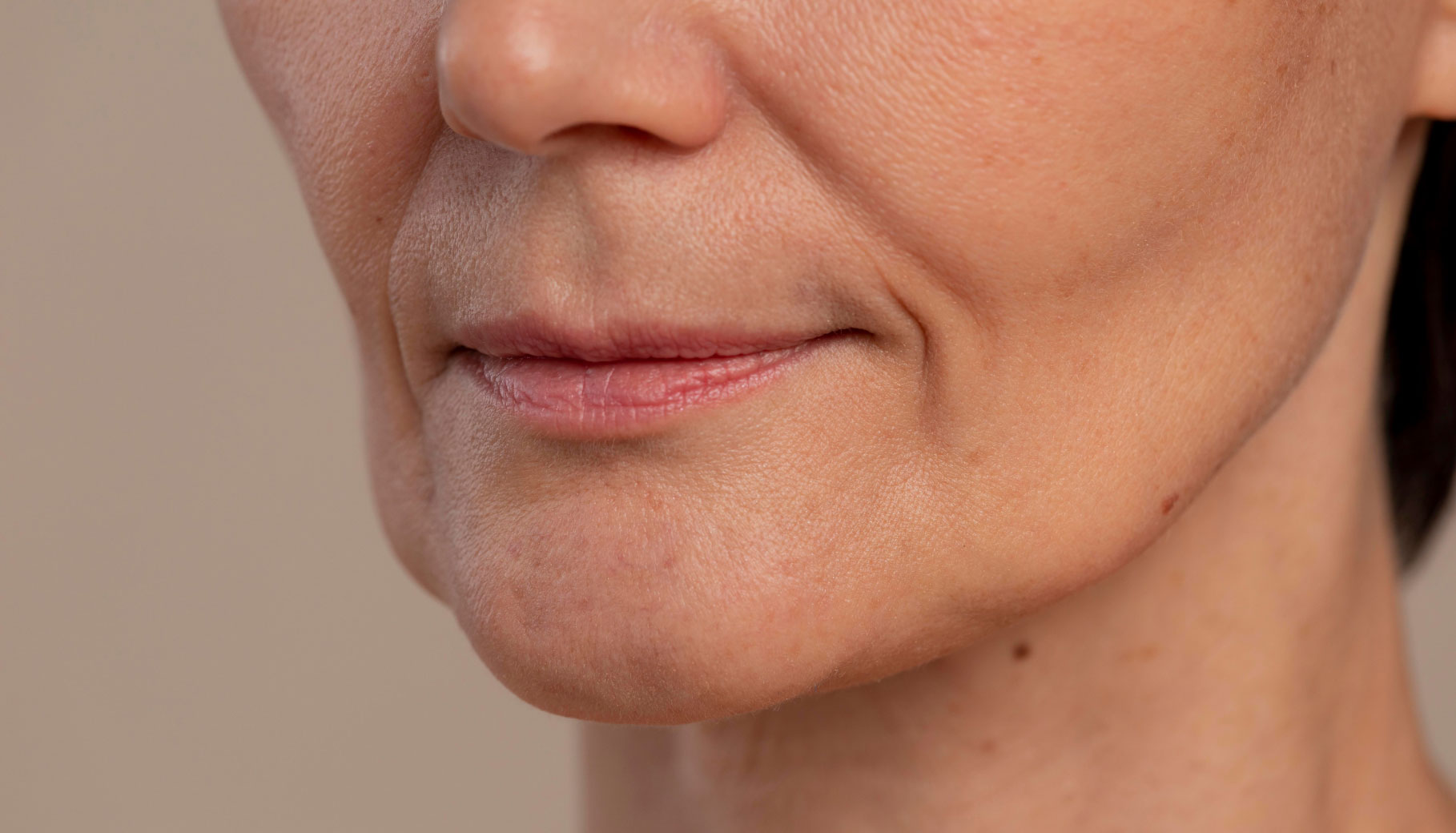
Loose and sagging skin is a natural part of the ageing process that occurs as the skin gradually loses its firmness, elasticity, and youthful contours. Over time, the body’s production of collagen and elastin declines, causing the skin to become thinner, less resilient, and more susceptible to the effects of gravity.
Although ageing is the primary cause of skin laxity, factors such as chronic sun exposure, genetics, lifestyle habits, smoking, significant weight loss, and environmental damage can accelerate collagen degradation, resulting in earlier or more noticeable skin sagging.
While skin laxity is a normal biological process, modern collagen-stimulating treatments can help restore firmness, improve facial definition, and achieve a naturally refreshed appearance without surgery.
What Is Loose & Sagging Skin?
Loose and sagging skin, medically referred to as skin laxity, occurs when the skin loses its natural support structure due to a gradual reduction in collagen, elastin, and other components of the extracellular matrix. These structural proteins are responsible for maintaining the skin’s firmness, elasticity, strength, and youthful appearance.
From our mid-20s onwards, collagen production naturally declines by approximately 1% each year, while elastin fibres become less flexible and more fragmented. As a result, the skin gradually loses its ability to resist stretching and recover its original shape. Combined with the effects of gravity, repetitive facial movements, and age-related volume loss, this leads to progressive skin laxity and changes in facial contours.
Common areas affected include:
- Jawline
- Cheeks
- Neck
- Under-chin (submental area)
- Brows
- Around the mouth
- Décolletage
Unlike fine lines and wrinkles, which primarily affect the skin’s surface, skin laxity involves deeper structural changes within the dermis and underlying connective tissues. For this reason, improving loose skin often requires treatments that stimulate collagen remodelling rather than simply treating the surface of the skin.
At Forté Clinic, every patient undergoes a comprehensive consultation and advanced skin assessment to evaluate the degree of skin laxity, facial structure, skin quality, and ageing pattern. This enables our doctors to develop a personalised treatment plan designed to restore firmness while preserving your natural facial features.
What Causes Loose & Sagging Skin?
Skin laxity develops gradually as the skin’s structural support system weakens over time. Although ageing is an inevitable process, several intrinsic and extrinsic factors can accelerate collagen degradation and reduce the skin’s ability to remain firm and elastic.
Ageing is the most common cause of skin laxity. As collagen and elastin production naturally decline, the skin becomes thinner, weaker, and less able to maintain its youthful firmness and contour.
Collagen provides structural support, while elastin allows the skin to stretch and return to its original shape. Progressive loss of these essential proteins reduces skin elasticity and contributes to sagging and loss of definition.
Ultraviolet (UV) radiation accelerates collagen breakdown through a process known as photoageing. Chronic sun exposure damages collagen fibres and impairs the skin’s ability to repair itself, leading to premature skin laxity.
Rapid or substantial weight loss may leave excess skin that is unable to fully retract, particularly if collagen and elastin have already been weakened. This can result in loose skin affecting both the face and body.
Smoking reduces blood circulation, increases oxidative stress, and accelerates collagen degradation. Environmental pollutants and free radicals also contribute to premature ageing by damaging skin cells and connective tissue.
A diet lacking essential nutrients, antioxidants, protein, and vitamins may impair collagen production and skin repair. Chronic dehydration can further reduce skin resilience and contribute to a tired, less firm appearance.
Genetics influence how quickly collagen declines, how the skin ages, and an individual’s susceptibility to skin laxity. Some people naturally experience earlier or more pronounced loss of skin firmness despite maintaining healthy lifestyle habits.
Over time, repeated facial expressions combined with the constant effects of gravity contribute to gradual tissue descent and reduced facial definition. These changes become increasingly noticeable as collagen support diminishes with age.
Signs & Symptoms
Loose and sagging skin develops gradually and often becomes more noticeable as collagen and elastin production declines. Early signs may be subtle, but they typically progress over time if left untreated.
You may be experiencing skin laxity if you notice:
Loss of Facial Firmness or Definition
The skin may feel less firm and appear to have lost its youthful structure, particularly around the cheeks, jawline, and lower face.
Mild to Moderate Sagging Around the Cheeks or Jawline
As collagen support weakens, facial tissues gradually descend, resulting in less defined facial contours and a softer jawline.
Early Jowl Formation
Loss of skin elasticity and supporting collagen can lead to the formation of jowls, where the skin along the jawline begins to droop and blur the natural facial contour.
Loose Skin Beneath the Chin or Around the Neck
Reduced collagen and elastin may cause the skin beneath the chin and around the neck to appear loose, creating the appearance of a “double chin” or “turkey neck” despite minimal fat accumulation.
Fine Lines with Reduced Skin Elasticity
As skin loses its resilience, fine lines may become more apparent and the skin may no longer bounce back as easily after stretching or facial movement.
Skin That Feels Thinner or Less Resilient
Ageing skin often becomes thinner, drier, and less elastic due to the gradual breakdown of collagen, elastin, and hyaluronic acid.
A Tired or Aged Facial Appearance
Loss of skin support and facial definition may create a fatigued, heavy, or older appearance even when you are well rested.
Who Is More Prone?
Although skin laxity is a natural part of ageing, certain individuals may experience it earlier or more prominently due to genetic, environmental, and lifestyle factors.
You may be at greater risk if you:
Are Aged 30 Years and Above
Collagen production begins to decline from our mid-20s, with more noticeable skin laxity typically developing during the 30s and continuing progressively with age.
Have Prolonged Sun Exposure
Chronic ultraviolet (UV) exposure accelerates collagen and elastin breakdown, leading to premature skin ageing and reduced skin firmness.
Have Experienced Significant Weight Loss
Rapid or substantial weight loss may leave excess skin that is unable to fully retract, particularly if collagen and elastin have already been weakened.
Smoke or Are Frequently Exposed to Environmental Pollutants
Smoking and environmental pollutants generate free radicals that accelerate collagen degradation, impair skin repair, and contribute to premature ageing.
Have a Family History of Premature Skin Ageing
Genetics play a significant role in determining how quickly collagen declines and how the skin ages over time.
Have Naturally Thinner Skin
Individuals with thinner skin often show visible signs of skin laxity earlier due to reduced structural support.
Lead a Lifestyle That Reduces Collagen Production
Poor nutrition, inadequate protein intake, chronic stress, insufficient sleep, and dehydration may all impair collagen synthesis and accelerate skin ageing.
Can Loose & Sagging Skin Be Prevented?
Although skin ageing cannot be completely prevented, healthy lifestyle habits and early intervention can help preserve collagen, slow the progression of skin laxity, and maintain firmer, healthier-looking skin for longer.
We recommend:
Apply Broad-Spectrum Sunscreen Daily
Daily use of SPF 50+ sunscreen protects collagen from ultraviolet damage and helps prevent premature skin ageing.
Follow a Medical-Grade Skincare Routine
Using scientifically proven ingredients such as retinoids, peptides, antioxidants, vitamin C, and growth factors can support collagen production and improve overall skin quality.
Stay Well Hydrated
Maintaining adequate hydration helps support skin function, elasticity, and a healthier overall complexion.
Maintain a Balanced Diet
A diet rich in lean protein, antioxidants, vitamins, and healthy fats provides the nutrients required for collagen synthesis and skin repair.
Avoid Smoking
Smoking significantly accelerates collagen degradation and is one of the leading preventable causes of premature skin ageing.
Maintain a Stable Body Weight
Avoiding repeated cycles of weight gain and loss helps preserve skin elasticity and reduces the risk of excess skin laxity.
Start Collagen-Stimulating Treatments Early
Preventive collagen-stimulating treatments performed before significant skin laxity develops may help maintain skin firmness and delay visible signs of ageing.
Early intervention often produces more natural, long-lasting results than waiting until advanced skin laxity has developed.
Best Treatments for Loose & Sagging Skin
The most effective treatment for skin laxity focuses on stimulating your body’s natural collagen and elastin production while improving skin quality and facial support. Following a comprehensive consultation and advanced skin assessment, our doctors will recommend a personalised treatment plan tailored to your skin condition and aesthetic goals.
Sylfirm X is an advanced radiofrequency (RF) microneedling treatment that delivers controlled RF energy into the deeper layers of the skin to stimulate collagen and elastin production. By promoting natural tissue remodelling, Sylfirm X helps improve skin firmness, elasticity, texture, and overall skin quality with minimal downtime.
Benefits
- Improves skin firmness and elasticity
- Stimulates collagen and elastin production
- Lifts mild skin laxity
- Refines skin texture
- Reduces the appearance of fine lines
- Suitable for a wide range of skin types
Sculptra is a collagen biostimulator that works gradually to restore the skin’s structural foundation rather than simply adding volume. By stimulating your body’s own collagen production, Sculptra helps improve skin firmness, restore facial support, soften wrinkles, and create subtle, natural-looking rejuvenation that continues to improve over several months.
Benefits
- Stimulates natural collagen production
- Restores facial support and volume
- Improves skin firmness and elasticity
- Softens wrinkles and folds
- Long-lasting, natural-looking results
Ultherapy PRIME is an advanced non-surgical lifting treatment that uses focused ultrasound energy to stimulate collagen production deep within the skin’s foundational layers. It helps lift and tighten loose skin while improving facial definition without surgery or significant downtime.
It is particularly effective for the brow, jawline, under-chin area, and neck.
Benefits
- Non-surgical skin lifting
- Tightens loose and sagging skin
- Stimulates natural collagen production
- Improves jawline and facial contours
- No surgery or significant downtime
Healthy, hydrated skin responds better to collagen stimulation. Skin Boosters deliver stabilised hyaluronic acid into the skin to improve hydration, elasticity, and overall skin quality while supporting long-term collagen remodelling.
Although they are not lifting treatments on their own, they enhance the results of other collagen-stimulating procedures and contribute to healthier, smoother, and more radiant skin.
Benefits
- Deeply hydrates the skin
- Improves skin elasticity
- Enhances skin texture and radiance
- Softens the appearance of fine lines
- Supports long-term collagen production
Personalised Combination Treatments
Every patient’s ageing process is unique. The most natural and effective rejuvenation is often achieved through a combination of complementary treatments rather than a single procedure.
Depending on your degree of skin laxity, facial anatomy, and treatment goals, your doctor may recommend combining:
- Sylfirm X
- Sculptra
- Ultherapy PRIME
- Skin Boosters
- Medical-grade skincare
By combining different collagen-stimulating technologies, we can improve skin firmness, restore facial support, enhance elasticity, refine skin quality, and achieve balanced, natural-looking rejuvenation.
At Forté Clinic, every treatment plan is personalised to deliver safe, effective, and long-lasting results while preserving your unique facial features.
Frequently Asked Questions
Collagen production naturally begins to decline from our mid-20s, although most individuals notice visible skin laxity during their 30s or 40s. Genetics, sun exposure, lifestyle habits, and environmental factors all influence how early these changes become noticeable.
Yes. Modern collagen-stimulating treatments such as Ultherapy PRIME, Sylfirm X, and Sculptra can effectively improve mild to moderate skin laxity by encouraging your body’s natural collagen production. These treatments offer gradual, natural-looking improvements without the need for surgery.
The number of sessions depends on your degree of skin laxity, treatment goals, and the treatment selected.
Some treatments, such as Ultherapy PRIME, may require only a single session with periodic maintenance, while others, including Sylfirm X, Sculptra, and Skin Boosters, often achieve optimal results through a series of treatments followed by maintenance sessions. Your doctor will recommend a personalised treatment plan during your consultation.
Most treatments involve minimal downtime. Mild redness, swelling, tenderness, or sensitivity may occur following treatment and generally resolves within a few hours to several days, depending on the procedure performed.
Some patients notice subtle improvements within a few weeks. However, collagen remodelling is a gradual biological process, with the most significant improvements typically becoming visible over two to three months as new collagen develops. Results continue to improve over time and may be maintained with appropriate maintenance treatments.
No collagen-stimulating treatment can permanently stop the natural ageing process. However, the collagen produced following treatment is long-lasting, and regular maintenance sessions, combined with healthy skincare habits, can help preserve firmer, more youthful-looking skin for many years.
The most suitable treatment depends on your age, degree of skin laxity, facial anatomy, skin quality, and aesthetic goals. During your consultation at Forté Clinic, our doctors will perform a comprehensive assessment and recommend a personalised treatment plan to achieve the safest, most natural-looking, and longest-lasting results.
Explore More Skin Conditions.



Ready to Find
Your Forte?
Whether you're beginning your aesthetic journey or exploring your next step, we're here to help you discover what makes you feel your most confident.