
Pigmentation & Melasma
Table of Contents
- Introduction
- Understanding Pigmentation & Melasma
- What Causes Pigmentation & Melasma?
- Common Signs & Symptoms
- Types of Pigmentation
- Who Is More Prone to Pigmentation?
- Can Pigmentation Be Prevented?
- Treatments for Pigmentation & Melasma
- Personalised Combination Treatments
Introduction
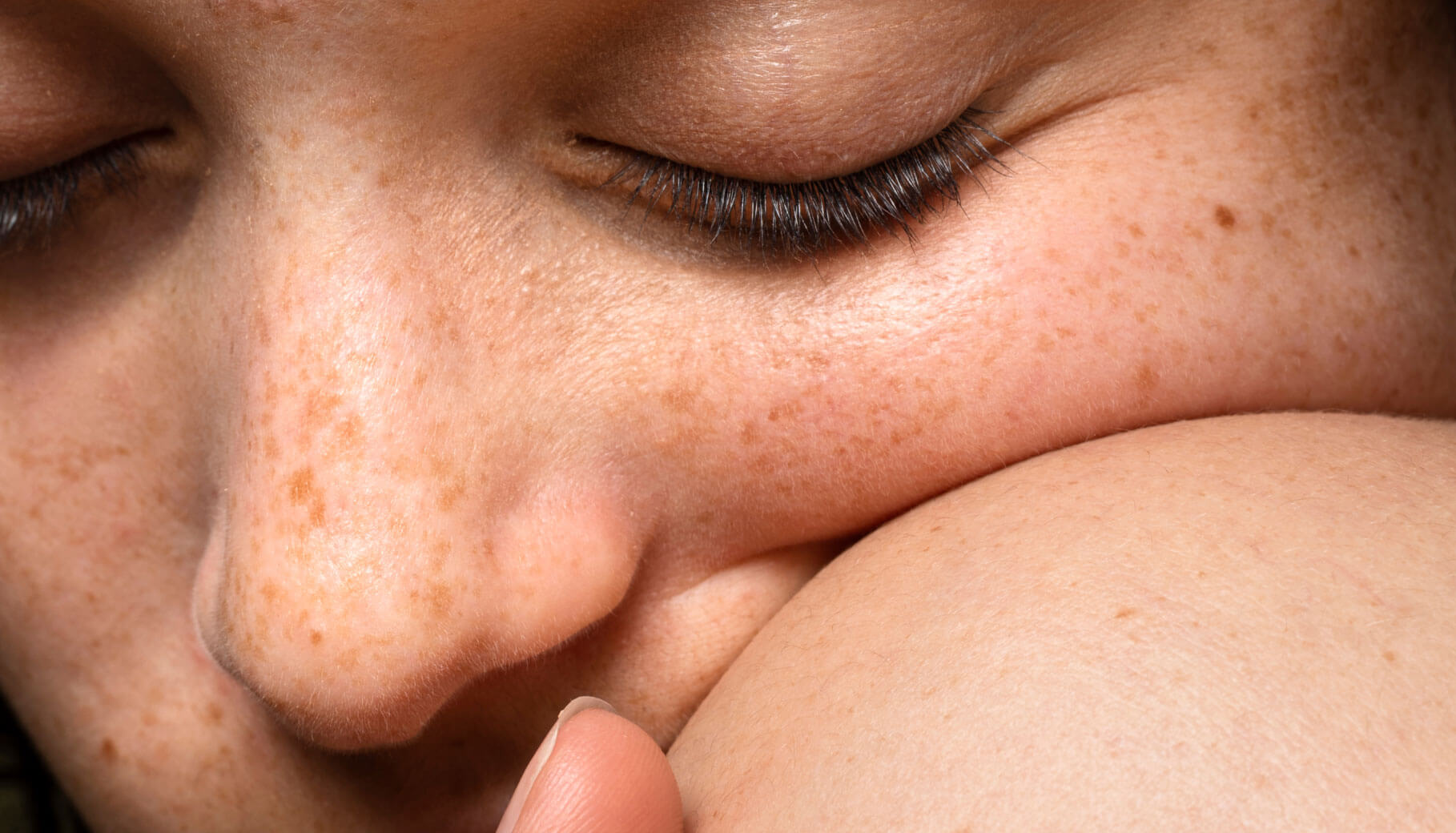
Pigmentation refers to areas of the skin that become darker than the surrounding skin due to an increase in melanin, the natural pigment responsible for skin colour. It can appear as freckles, sunspots, age spots, post-inflammatory marks after acne or injury, or general uneven skin tone. Common contributing factors include ultraviolet (UV) exposure, ageing, inflammation, genetics, and hormonal influences.
Melasma is a chronic form of hyperpigmentation characterised by symmetrical brown or greyish-brown patches, most commonly affecting the cheeks, forehead, nose, chin, and upper lip. Unlike other pigmentation disorders, melasma often develops from a combination of hormonal changes, sun exposure, heat, genetics, and visible light, making it one of the more challenging pigmentation conditions to treat.
Although pigmentation and melasma are medically harmless, they can become increasingly noticeable over time and may affect self-confidence and overall skin appearance. Early assessment and appropriate treatment can help improve skin clarity while reducing the likelihood of recurrence.
Understanding Pigmentation & Melasma
Healthy skin derives its colour from melanin, a natural pigment produced by specialised cells known as melanocytes. Melanin protects the skin against ultraviolet radiation by absorbing harmful UV rays. However, when melanocytes become overactive or produce melanin unevenly, excess pigment accumulates within the skin, resulting in hyperpigmentation.
Hyperpigmentation includes several different conditions, such as freckles, solar lentigines (sunspots), post-inflammatory hyperpigmentation (PIH), and melasma. Each develops through different biological mechanisms and therefore requires an individualised treatment approach.
Melasma differs from other forms of pigmentation because it is influenced by multiple internal and external factors. Hormonal fluctuations, chronic sun exposure, heat, visible light, genetics, pregnancy, oral contraceptives, and certain medications may all contribute to its development. This complex nature explains why melasma frequently recurs without ongoing maintenance and proper sun protection.
At Forté Clinic, every patient undergoes a comprehensive medical consultation and advanced skin analysis before treatment begins. By identifying the type, depth, severity, and underlying cause of pigmentation, our doctors are able to design a personalised treatment programme that targets both existing pigment and the factors responsible for its recurrence.
What Causes Pigmentation & Melasma?
Pigmentation occurs when excess melanin, the natural pigment responsible for skin colour, is produced or distributed unevenly within the skin. While pigmentation is a normal protective response, certain internal and external factors can overstimulate melanocytes, resulting in persistent dark patches or uneven skin tone.
Melasma is more complex than other forms of pigmentation, as it is often influenced by a combination of hormonal, genetic, and environmental factors. Understanding these triggers is essential for selecting the most appropriate treatment and reducing the risk of recurrence.
Ultraviolet (UV) radiation is one of the leading causes of pigmentation. Exposure to sunlight stimulates melanocytes to produce more melanin as a natural defence mechanism against UV damage. Over time, repeated exposure without adequate sun protection can result in freckles, sunspots, uneven skin tone, and worsening of existing pigmentation or melasma. Even after successful treatment, continued UV exposure may cause pigmentation to recur.
Hormonal fluctuations are strongly associated with the development of melasma. Pregnancy, oral contraceptive pills, hormone replacement therapy, and certain hormonal conditions may stimulate melanocyte activity, leading to symmetrical patches of pigmentation, particularly on the cheeks, forehead, nose, chin, and upper lip.
Any form of skin inflammation or injury can stimulate excess melanin production during the healing process. Acne, eczema, allergic reactions, burns, laser procedures, and physical trauma may leave behind dark marks that persist for weeks or months after the underlying condition has resolved.
As the skin ages, years of cumulative sun exposure become more apparent. This often results in solar lentigines (age spots), uneven pigmentation, and a dull complexion. The skin’s natural repair processes also slow with age, allowing pigmentation to become more persistent.
Some individuals are naturally more susceptible to developing pigmentation disorders due to inherited genetic factors. A family history of melasma, freckles, or other pigmentary conditions may increase the likelihood of developing similar concerns, particularly when combined with sun exposure or hormonal influences.
In addition to ultraviolet radiation, prolonged exposure to heat and high-energy visible light (including blue light) may stimulate melanocytes and worsen melasma in susceptible individuals. This explains why some patients experience pigmentation flare-ups despite diligent sunscreen use and highlights the importance of comprehensive sun and heat protection.
Certain medications may increase skin sensitivity to sunlight or stimulate melanin production, making pigmentation more likely. Examples include some antibiotics, anti-seizure medications, and hormonal therapies. Certain medical conditions that affect hormonal balance or metabolism may also contribute to the development of pigmentation. A comprehensive medical consultation helps identify these contributing factors before treatment begins.
Daily environmental exposure and lifestyle habits can also influence pigmentation. Chronic UV exposure, inadequate sunscreen use, repeated skin irritation, harsh skincare products, smoking, and prolonged outdoor activities may all contribute to worsening pigmentation or increase the likelihood of recurrence.
Common Signs & Symptoms
The appearance of pigmentation varies depending on its underlying cause, depth within the skin, and individual skin type. Some forms develop gradually over time, while others appear following inflammation, hormonal changes, or prolonged sun exposure.
Common signs and symptoms include:
Uneven Skin Tone
Areas of the skin may appear darker than the surrounding complexion, resulting in an uneven or patchy appearance that can affect overall skin radiance.
Brown, Black or Greyish Patches
Pigmentation commonly presents as flat patches or spots ranging from light brown to dark brown, black, or greyish in colour. The intensity and size may vary depending on the underlying condition.
Persistent Acne Marks
Following acne or skin inflammation, dark marks may remain even after the blemishes have healed. This condition, known as post-inflammatory hyperpigmentation (PIH), is especially common in individuals with darker skin tones.
Sunspots on Sun-Exposed Areas
Repeated ultraviolet (UV) exposure can lead to the development of sunspots, also known as solar lentigines. These typically appear on areas that receive frequent sun exposure, including the face, neck, chest, shoulders, and hands.
Symmetrical Facial Pigmentation (Melasma)
Melasma usually appears as symmetrical brown or greyish-brown patches affecting both sides of the face. The cheeks, forehead, nose, chin, and upper lip are the most commonly affected areas.
Pigmentation That Darkens After Sun or Heat Exposure
Exposure to ultraviolet radiation, visible light, or heat may stimulate melanin production, causing existing pigmentation—particularly melasma—to become darker and more noticeable.
Gradually Enlarging Areas of Discolouration
Without appropriate treatment and sun protection, pigmented areas may slowly increase in size, become darker, or spread to involve larger areas of the skin over time.
Recurring Pigmentation
Certain conditions, especially melasma, have a tendency to recur even after successful treatment. Hormonal changes, inadequate sun protection, and ongoing environmental exposure may trigger the return of pigmentation, highlighting the importance of long-term maintenance and preventive skincare.
Types of Pigmentation
Pigmentation is not a single condition but a group of disorders that differ in their cause, appearance, and depth within the skin. Identifying the specific type of pigmentation is essential, as each responds differently to treatment and requires an individualised management approach.
Melasma is a chronic form of hyperpigmentation characterised by symmetrical brown or greyish-brown patches, most commonly affecting the cheeks, forehead, nose, chin, and upper lip. It is often associated with hormonal changes, genetic predisposition, ultraviolet (UV) radiation, visible light, and heat exposure. Due to its complex nature, melasma typically requires a combination of medical treatments, prescription skincare, and long-term sun protection to achieve and maintain optimal results.
Also known as solar lentigines, sunspots are flat, well-defined brown patches that develop after years of cumulative sun exposure. They are most frequently found on areas regularly exposed to sunlight, including the face, neck, chest, shoulders, forearms, and hands. Unlike freckles, sunspots usually persist throughout the year and become more common with advancing age.
Freckles are small, flat, light brown spots that commonly appear on sun-exposed areas of the skin. They are largely influenced by genetics and become darker or more numerous following sun exposure before fading during periods of reduced UV exposure. Freckles are completely harmless and do not require treatment unless for cosmetic reasons.
Post-inflammatory hyperpigmentation (PIH) develops after inflammation or injury to the skin stimulates excess melanin production during the healing process. Common causes include acne, eczema, burns, allergic reactions, insect bites, or cosmetic procedures. PIH is particularly common in individuals with medium to darker skin tones and may gradually fade over time, although treatment can significantly accelerate improvement.
Age spots, also known as liver spots or senile lentigines, are larger, flat areas of brown pigmentation that develop gradually as a result of cumulative ultraviolet exposure and the natural ageing process. They most commonly affect adults over the age of 40 and are frequently seen on the face, hands, shoulders, and forearms. Although harmless, they can contribute to an uneven complexion and visible signs of skin ageing.
Who Is More Prone to Pigmentation?
Pigmentation can affect individuals of all ages and skin types. However, certain genetic, hormonal, environmental, and lifestyle factors may increase the likelihood of developing pigmentation or experiencing its recurrence.
You may be at a higher risk if you:
Spend Prolonged Periods Outdoors Without Sun Protection
Frequent exposure to ultraviolet (UV) radiation is one of the leading causes of pigmentation. Individuals who spend significant time outdoors without adequate sun protection are more likely to develop sunspots, uneven skin tone, and worsening melasma.
Have a History of Acne or Skin Inflammation
Conditions such as acne, eczema, allergic reactions, burns, or skin injuries can trigger post-inflammatory hyperpigmentation (PIH). The risk is often greater when inflammation is severe or left untreated.
Experience Hormonal Changes
Hormonal fluctuations during pregnancy, menopause, or from the use of oral contraceptives or hormone replacement therapy may stimulate excess melanin production, increasing the risk of developing melasma.
Have a Family History of Pigmentation Disorders
Genetics play an important role in pigmentation. Individuals with a family history of melasma, freckles, or other pigmentary conditions may be more susceptible, particularly when combined with sun exposure or hormonal influences.
Have Medium to Darker Skin Tones
People with Fitzpatrick Skin Types III to VI naturally produce more melanin, making them more prone to post-inflammatory hyperpigmentation following acne, cosmetic procedures, or skin irritation.
Frequently Expose Your Skin to Heat or UV Radiation
In addition to ultraviolet light, prolonged exposure to heat and visible light may stimulate melanocytes and worsen pigmentation, especially melasma. Occupations or lifestyles involving frequent outdoor activities, hot environments, or repeated heat exposure may increase this risk.
Use Photosensitising Medications
Certain medications, including some antibiotics, hormonal medications, and other photosensitising drugs, can increase the skin’s sensitivity to sunlight, making pigmentation more likely to develop following UV exposure.
Can Pigmentation Be Prevented?
Although not every form of pigmentation can be completely prevented, healthy daily skincare habits and early intervention can significantly reduce the risk of developing new pigmentation and minimise recurrence after treatment.
The following measures are recommended:
Apply Broad-Spectrum Sunscreen Daily
Use a broad-spectrum sunscreen with SPF 50+ every day, even on cloudy days or when staying indoors near windows. Consistent sun protection is one of the most effective ways to prevent pigmentation from developing or worsening.
Reapply Sunscreen Regularly
Sunscreen should be reapplied every two to three hours during prolonged outdoor activities, as well as after swimming, excessive sweating, or towel drying, to maintain effective protection.
Minimise Sun & Heat Exposure
Whenever possible, seek shade during peak sunlight hours, wear a wide-brimmed hat and protective clothing, and avoid prolonged exposure to excessive heat, which may also aggravate melasma.
Avoid Picking or Squeezing Acne
Manipulating acne lesions or inflamed skin increases the likelihood of post-inflammatory hyperpigmentation. Prompt and appropriate acne treatment can help minimise long-term pigmentation.
Follow a Consistent Medical-Grade Skincare Routine
Using skincare products that are appropriate for your skin type can help maintain a healthy skin barrier while supporting pigment control. Depending on your skin concerns, your doctor may recommend ingredients such as antioxidants, retinoids, pigment inhibitors, or brightening agents.
Seek Early Treatment
Pigmentation is often easier to manage when treated early. Seeking medical assessment at the first signs of pigmentation allows treatment to begin before the pigment becomes more established or difficult to remove.
Maintain Regular Follow-Up Care
For chronic conditions such as melasma, ongoing maintenance treatments and regular follow-up appointments can help reduce the likelihood of recurrence and preserve long-term results.
Treatments for Pigmentation & Melasma
The most effective treatment for pigmentation and melasma depends on the type of pigmentation, its depth within the skin, the underlying cause, and your individual skin characteristics. Following a comprehensive medical consultation and advanced skin analysis, our doctors will develop a personalised treatment plan designed to safely reduce pigmentation, improve overall skin quality, and minimise the risk of recurrence.
In many cases, the best results are achieved through a combination of treatments rather than a single procedure, as different technologies target different aspects of pigmentation.
Discovery Pico Laser is an advanced picosecond laser that delivers ultra-short pulses of energy to precisely fragment unwanted pigment while minimising thermal damage to the surrounding skin. The fragmented pigment is then naturally eliminated by the body’s immune system, resulting in a brighter, clearer, and more even complexion.
It is commonly recommended for:
- Sunspots (Solar Lentigines)
- Freckles
- Post-inflammatory Hyperpigmentation (PIH)
- Age Spots
- Selected cases of Melasma
- Uneven skin tone
In addition to reducing pigmentation, Discovery Pico Laser also stimulates collagen production, helping to improve overall skin texture and radiance with minimal downtime.
Learn MoreSylfirm X is an advanced radiofrequency (RF) microneedling system that combines pulsed and continuous wave technology to address pigmentation while improving overall skin health. It is particularly effective for vascular-related pigmentation and melasma by targeting abnormal blood vessels that contribute to persistent pigmentation, while simultaneously reducing inflammation and stimulating collagen production.
This dual-action approach not only helps improve discolouration but also strengthens the skin, enhances elasticity, refines texture, and promotes a healthier complexion.
Sylfirm X is commonly recommended for:
- Melasma
- Recurrent pigmentation
- Vascular-related pigmentation
- Sensitive skin
- Skin rejuvenation
Medical-grade chemical peels use carefully selected acids to gently exfoliate the outer layers of the skin, accelerating cell turnover and encouraging the gradual removal of excess pigment. They are particularly effective for superficial pigmentation while improving overall skin brightness and texture.
Chemical peels may also enhance the penetration and effectiveness of medical-grade skincare products and are frequently incorporated into comprehensive pigmentation treatment programmes.
Suitable for:
- Mild pigmentation
- Post-inflammatory Hyperpigmentation (PIH)
- Acne marks
- Uneven skin tone
- Dull skin
The OxyGeneo Facial is a non-invasive facial treatment that exfoliates, oxygenates, and nourishes the skin while enhancing circulation and promoting a healthy complexion. Although it is not a primary treatment for pigmentation, it helps improve skin hydration, brightness, and barrier function, making it an excellent complementary treatment alongside laser procedures or chemical peels.
Regular OxyGeneo treatments can help maintain healthier skin, optimise treatment outcomes, and restore a naturally radiant glow.
Benefits include:
- Gentle exfoliation
- Improved hydration
- Enhanced skin radiance
- Better absorption of active ingredients
- Healthier skin barrier
Healthy, well-hydrated skin responds more effectively to pigmentation treatments and recovers more efficiently following aesthetic procedures. Skin Boosters deliver stabilised hyaluronic acid directly into the skin to restore hydration,
improve elasticity, strengthen the skin barrier, and enhance overall skin quality.
While Skin Boosters do not directly remove pigmentation, they improve the skin’s overall condition and complement treatments such as laser therapy, Sylfirm X, and chemical peels, contributing to a smoother, healthier, and more luminous complexion.
Benefits include:
- Deep skin hydration
- Improved skin texture
- Enhanced skin elasticity
- Strengthened skin barrier
- Healthier, more radiant skin
Personalised Combination Treatments
Pigmentation and melasma are often multifactorial conditions that respond best to a comprehensive treatment strategy. Rather than relying on a single procedure, our doctors may recommend a personalised combination of advanced technologies and medical-grade skincare to target pigmentation from multiple pathways.
Your customised treatment programme may include:
- Discovery Pico Laser
- Sylfirm X
- Medical-Grade Chemical Peels
- OxyGeneo Facial
- Skin Boosters
- Medical-Grade Skincare
By combining complementary treatments, we are able to address visible pigmentation, improve skin quality, reduce inflammation, stimulate collagen production, and minimise the likelihood of recurrence.
At Forté Clinic, every treatment plan is tailored to your unique skin concerns, ensuring safe, effective, and natural-looking results while supporting long-term skin health and confidence.
Frequently Asked Questions
Not necessarily. Many forms of pigmentation can be significantly improved with appropriate treatment. However, the longevity of results depends on the underlying cause. Conditions such as sunspots and post-inflammatory hyperpigmentation often respond very well to treatment, while melasma is a chronic condition that typically requires ongoing maintenance and consistent sun protection to minimise recurrence.
Pigmentation is a broad term that refers to any area of the skin that becomes darker due to excess melanin production. It includes conditions such as freckles, sunspots, age spots, and post-inflammatory hyperpigmentation.
Melasma is a specific type of pigmentation characterised by symmetrical brown or greyish-brown patches, most commonly affecting the cheeks, forehead, nose, chin, and upper lip. It is often associated with hormonal changes, ultraviolet (UV) exposure, visible light, and heat, making it more challenging to manage than other forms of pigmentation.
Yes. Certain forms of pigmentation, particularly melasma, have a tendency to recur if underlying triggers remain present. Sun exposure, heat, hormonal fluctuations, and inadequate skincare may all contribute to recurrence. Daily use of broad-spectrum sunscreen, medical-grade skincare, and maintenance treatments when recommended can help preserve long-term results.
Yes. When performed by qualified medical professionals using clinically appropriate technology, laser treatments are generally safe and effective. At Forté Clinic, every patient undergoes a comprehensive medical consultation and skin assessment before treatment to ensure the most suitable laser settings and treatment approach for their skin type, pigmentation condition, and aesthetic goals.
The number of sessions varies depending on the type, depth, severity, and underlying cause of your pigmentation. Superficial pigmentation may improve within a few treatments, while deeper pigmentation and melasma often require a series of sessions together with ongoing maintenance. Your doctor will recommend a personalised treatment plan following your consultation and skin analysis.
Some patients notice brighter, clearer skin after their first session, particularly with superficial pigmentation. However, most pigmentation concerns require multiple treatments to achieve optimal and longer-lasting improvement. Results develop gradually as excess pigment is naturally broken down and cleared by the body.
Most pigmentation treatments are well tolerated. Depending on the procedure, you may experience a mild warming, tingling, or snapping sensation during treatment. Topical anaesthetic or cooling techniques may be used when appropriate to maximise comfort.
Most pigmentation treatments involve little to no downtime, allowing patients to return to their normal daily activities shortly afterwards. Mild redness, slight swelling, or temporary darkening of pigmented areas may occur depending on the treatment performed and typically resolve within a few days. Your doctor will provide personalised aftercare instructions to support optimal healing.
Some types of pigmentation, such as freckles, sunspots, and post-inflammatory hyperpigmentation, can often be significantly reduced or even cleared with appropriate treatment. Melasma, however, is considered a chronic condition that can be effectively controlled but not permanently cured. Long-term management—including sun protection, medical-grade skincare, and maintenance treatments—is essential to minimise recurrence.
Preventing recurrence is an important part of successful pigmentation management. We recommend:
- Applying a broad-spectrum SPF 50+ sunscreen every day.
- Reapplying sunscreen every two to three hours during outdoor activities.
- Avoiding excessive sun and heat exposure.
- Following your prescribed medical-grade skincare routine.
- Attending maintenance treatments if recommended by your doctor.
- Seeking early treatment if new pigmentation develops.
Explore More Skin Conditions.



Ready to Find
Your Forte?
Whether you're beginning your aesthetic journey or exploring your next step, we're here to help you discover what makes you feel your most confident.