
Chemical Peel
Introduction
Chemical peels are advanced skin rejuvenation treatments designed to improve skin texture, clarity, and overall radiance. Using specially formulated exfoliating acids, the treatment gently removes damaged and dead skin cells from the skin’s surface while stimulating natural skin renewal.
As fresh, healthy skin cells replace older ones, the complexion appears smoother, brighter, and more even-toned. Chemical peels also promote collagen production, helping to improve skin quality and maintain a youthful appearance.
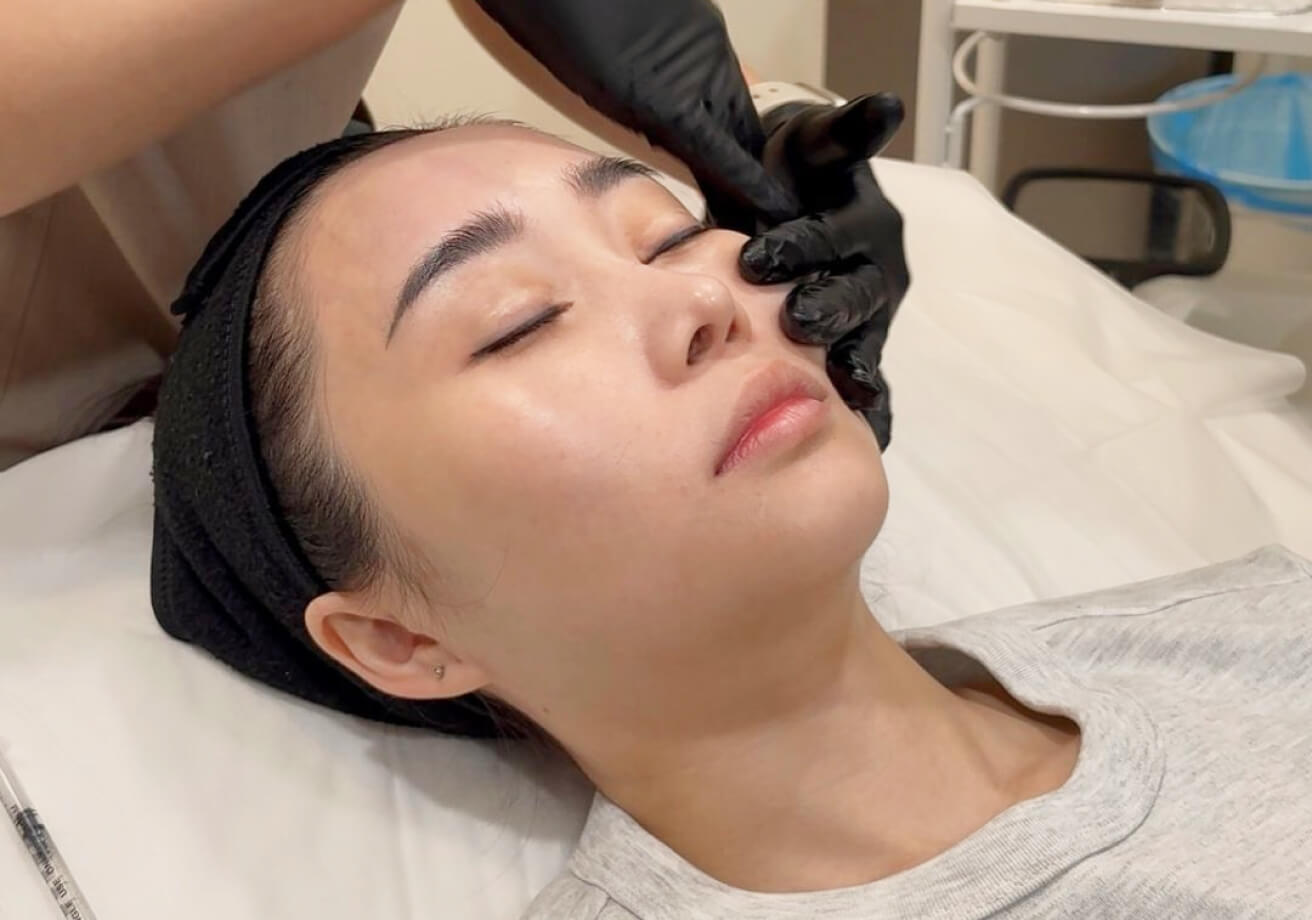
Treatment Duration
20-30 minutes
Treatment Process
-
1
Consultation & Skin Analysis
Every treatment begins with a professional skin consultation to assess your skin type, concerns, and desired outcomes. Based on your skin condition, the most suitable peel formulation and strength will be selected to achieve safe and effective results.
-
2
Skin Preparation
The skin is thoroughly cleansed to remove makeup, excess oil, sunscreen, and impurities, ensuring optimal penetration of the peel solution.
-
3
Chemical Peel Application
A customised chemical peel solution is carefully applied to the treatment area. The peel is left on the skin for approximately 5–10 minutes, depending on the type of peel, skin sensitivity, and treatment objectives.
-
4
Skin Recovery & Protection
Following the peel, soothing and hydrating products are applied to calm the skin and support the recovery process. Broad-spectrum sunscreen is also applied to protect the newly renewed skin from UV exposure.
-
5
Personalised Aftercare Advice
To optimise results and minimise irritation, patients will receive tailored aftercare instructions, including:
- Keeping the skin well hydrated and moisturised
- Applying sunscreen (SPF 50+) daily
- Avoiding excessive sun exposure and heat treatments
- Refraining from picking or peeling flaking skin
- Following recommended skincare products during the recovery period
What to Expect After Treatment
- Mild redness may occur immediately after treatment
- Light flaking or peeling may be experienced over the next few days, depending on the peel type
- Skin gradually appears brighter, smoother, and more refreshed as cell turnover increases
Chemical Peel
- Best For
- Benefits of Chemical Peels
- Types of Chemical Peels
- Downtime, Recovery and Considerations
- Who Should Avoid Chemical Peel?
- Recommended Treatment Frequency
- Why You'll Love Chemical Peels
Best For
- Acne-prone and oily skin
- Pigmentation and sun damage
- Uneven skin tone
- Dull or tired-looking skin
- Rough skin texture
- Early ageing concerns
Benefits of Chemical Peels
- Improve acne and congested skin
- Reduce post-acne marks and pigmentation
- Brighten dull and uneven skin tone
- Refine enlarged pores
- Smooth rough skin texture
- Minimise fine lines and early signs of ageing
- Enhance overall skin radiance and glow
Types of Chemical Peels
Gentle acids such as glycolic acid and lactic acid exfoliate the outermost layer of the skin to improve dullness, mild pigmentation, and minor acne concerns. These peels typically involve minimal to no downtime.
Peels containing ingredients such as salicylic acid penetrate deeper into the skin to help reduce excess oil, unclog pores, and improve acne and post-inflammatory marks. They are particularly beneficial for oily and acne-prone skin.
Advanced peels utilizing ingredients such as TCA or mandelic acid target deeper layers of the skin to address stubborn pigmentation, acne scars, rough texture, sun damage, and visible signs of ageing while promoting collagen renewal.
Downtime, Recovery and Considerations
Recovery time varies depending on the type and strength of peel performed.
Superficial peels typically involve little to no downtime, making them suitable for individuals seeking minimal disruption to their daily routine. During treatment, some individuals may experience a mild tingling, warming, or slight stinging sensation as the peeling solution is applied.
Stronger peels may require a longer recovery period and can result in more noticeable peeling, redness, or temporary swelling. They may not be suitable for individuals with certain medical conditions and should only be performed following a thorough consultation and assessment.
Following treatment, temporary side effects may include:
- Mild redness, swelling, or scabbing
- Dryness and skin tightness
- Light peeling or flaking as the skin renews itself
- Changes in skin pigmentation
- Increased sensitivity to sunlight
- Infection in rare cases
- Scarring in uncommon circumstances
These effects are generally temporary and resolve within a few days as the skin heals. Proper aftercare, including regular use of moisturizer and broad-spectrum sunscreen, is essential to support recovery and protect the newly renewed skin.
Who Should Avoid Chemical Peel?
Chemical peels may not be suitable for individuals with:
- Active skin infections
- Open wounds or broken skin
- Severe skin irritation or inflammation
- Certain skin conditions that require medical assessment
- Recent use of medications or treatments that may increase skin sensitivity
A professional consultation is recommended to determine suitability and the most appropriate peel for your skin.
Recommended Treatment Frequency
Treatment frequency depends on the skin concern being addressed and the type of peel selected.
For general skin maintenance and rejuvenation, treatments are commonly performed every 3–6 weeks. A personalized treatment plan may be recommended for concerns such as acne, pigmentation, or signs of ageing.
Why You'll Love Chemical Peels
Whether you’re looking to refresh dull skin, improve acne-prone complexions, or target pigmentation and early signs of ageing, chemical peels offer a versatile and effective solution. By encouraging natural skin renewal, the treatment helps reveal smoother, brighter, and healthier-looking skin with results that continue to improve over time.
- Treatment Time: 20-30 minutes
- Downtime: Minimal to mild peeling depending on peel strength
- Recommended Frequency: Every 2–4 weeks for a series of 4–6 treatments for optimal results
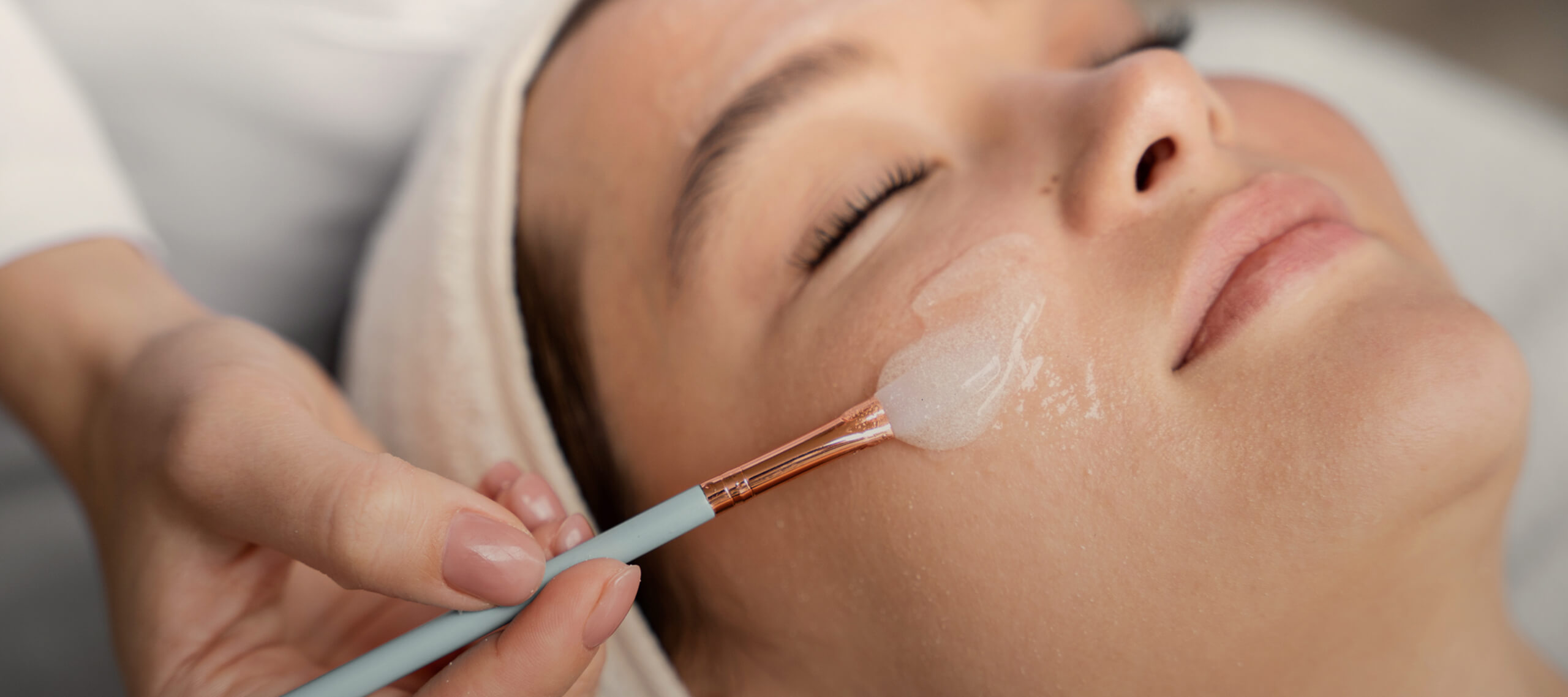
Reveal a clearer, brighter, and healthier complexion with customised Chemical Peel Therapy.

Ready to Find
Your Forte?
Whether you're beginning your aesthetic journey or exploring your next step, we're here to help you discover what makes you feel your most confident.